
Oxidative Stress
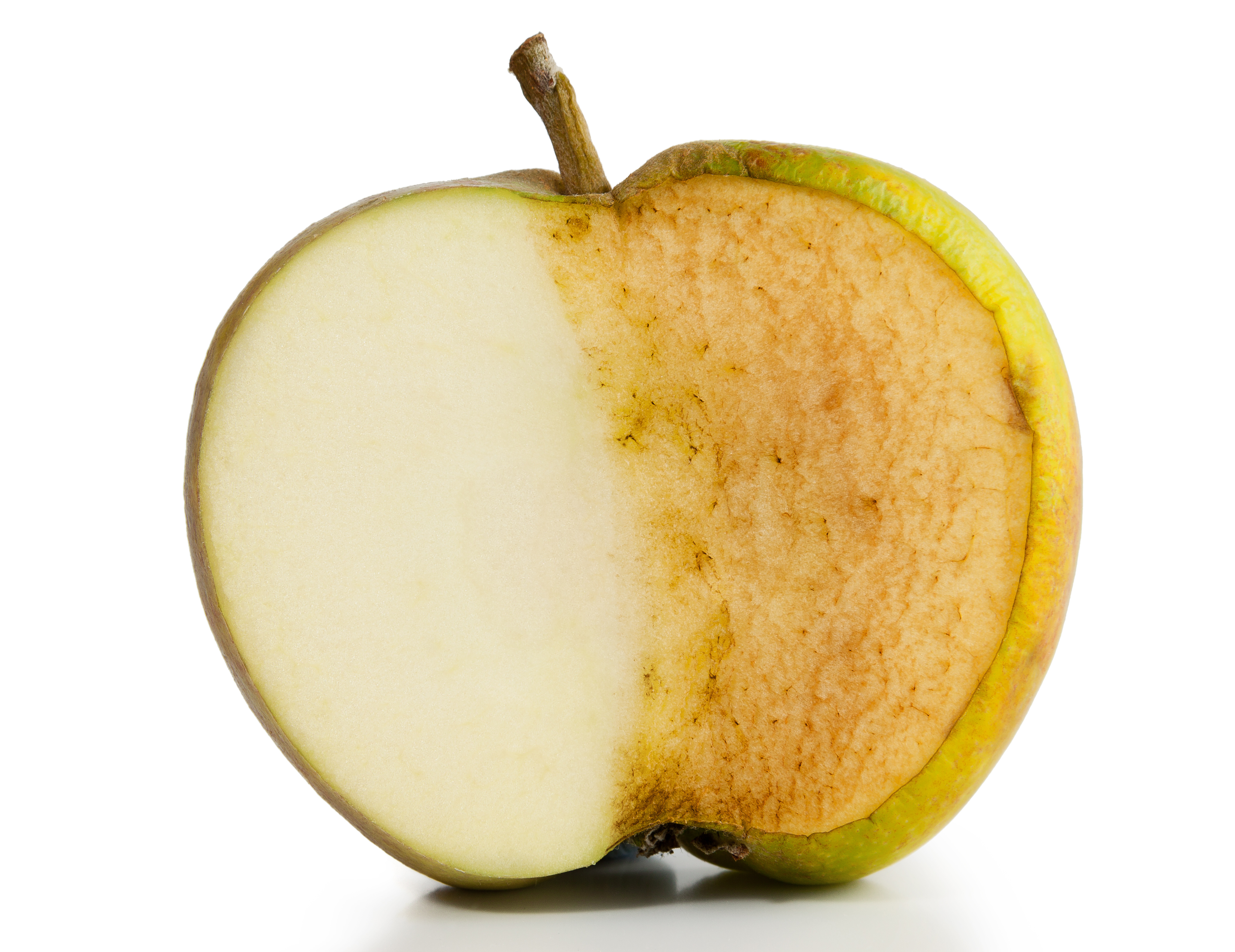
Oxidative stress refers to elevated intracellular levels of Reactive Oxygen Species (ROS, unstable molecules that contain oxygen and react easily with other molecules) that cause damage to lipids, proteins and DNA. Oxidative stress results from an imbalance of ROS and antioxidants in the body, such as alpha-lipoic acid and glutathione. Oxidative stress occurs naturally as the result of the normal function of the organism but can be potentiated by environmental and pathological pressure.
It also plays a role in the ageing process, suggesting that combatting excessive oxidative stress could slow ageing. Reactive oxygen species such as hydrogen peroxide (H2O2), superoxide (O2•-), singlet oxygen, and the infamous hydroxyl radical (•OH) are molecules that “want” to capture electrons from others to stabilise themselves. However, because they are very reactive, they will capture electrons from any source close to them, such as proteins and DNA, damaging the stability and function of the donor molecule. On the other hand, antioxidants are molecules that can donate electrons and gain a more stable configuration from it, for example, by transferring a Hydrogen atom to the ROS (note; it can be more complicated than that). The point is that antioxidants stop the oxidation pathway by “reducing” the oxidant, preventing damages.
Herein lies the problem associated with oxidative stress, in that if the stress is great, and the overload happens faster than repair is possible, then deterioration and degradation of the organism is inevitable. Unfortunately, the modern environment is presenting ever more dietary, environmental and pathological challenges at already stressed ecosystems and bodies resulting in poor biological strength, growth rates, fertility potential and cellular health in general.
In response to this problem, antioxidants are produced internally by our bodies and can also be found in food however, not all antioxidants are equal. For example, the size of the antioxidant molecules will determine where they can go and where they cannot. Or whenever their transport in the body is passive (great, it costs no energy) or active (less so as it necessitates energy). Furthermore, it is often true that the smaller the molecule, the fastest it can potentially reach all corners of our body. One such molecule is molecular hydrogen, that can rapidly diffuse in all compartments of the body and its cells.
The Mitochondria – The Main Source of Oxidative Stress
The mitochondrion is a fundamental DNA containing organelle found in all multicellular organisms let it be fungi, plants or animals. One of its main functions is to provide cells with a steady source of energy in the form of ATP, through a process called cellular respiration. The mitochondrion is a double membrane organelle related to alpha-proteobacteria that have enabled the existence of aerobic life. As surprising as it may be the propensity of oxygen to damage proteins made it toxic to early life, by disrupting the energy production process. Mitochondria have enabled the possibility of energy production in aerobic conditions, however even now, an excessive level of oxygen is still toxic to aerobic life.
A very important class of protein and molecule are the ones that enable electron transfer from one molecule to another such as Flavin and proteins that contain iron-sulphur clusters (Fe-S). Iron-sulphur cluster proteins include aconitase (a key enzyme of the Kreb’s cycle) and protein complexes I, II and III of the mitochondrial respiratory chain. Excessive concentration of oxygen results in the loss of iron in the most exposed protein Fe-S cluster inactivating these proteins, and freeing Fe2+ intracellularly. Fe2+ in solution is a problem for the cell as it is necessary and sufficient for the production of the most potent Radical Oxygen species, the Hydroxyl radical, in presence of Hydrogen Peroxide. Furthermore, oxygen at normal concentration is able to capture some of the electrons being transferred to produce the radical oxygen species Superoxide, which also disrupts the reaction catalysed by the proteins involved. Superoxide can also destroy Fe-S clusters and its concentration must be maintained below 10-10M thus is converted by the cellular antioxidant system (Superoxide dismutase) into the less potent hydrogen peroxide (H2O2). Although less potent, hydrogen peroxide (it is maintained at a concentration below 10-8M) is also able to damage FE-S clusters albeit at higher concentrations, so it is neutralised by the cellular antioxidant system (catalase) into oxygen and water.
Oxidative stress has multiple consequences on the cell’s functioning depending on its level and localisation within it. Superoxide can also react with nitric oxide faster than the reaction catalysed by superoxide dismutase to form the extremely reactive radical peroxynitrite (ONOO–). Even though oxygen can be toxic it is far less than the Reactive Oxygen Species (ROS) it can give rise to.
In cells, superoxide is produced from oxygen molecules by xanthine oxidase, NADPH oxidase and mitochondrial electron transfer systems 1. However, mitochondria generate approximately 90% of cellular ROS 2 3 through the leakage of electrons in the electron transfer chain. The appropriate functioning of the electron transfer chain of which oxygen is the terminal electron acceptor, enable the production of ATP the energy currency of life. Electron leakage to oxygen gives rise to superoxide in the mitochondrial matrix mainly by complex I. At low levels, it is scavenged by manganese superoxide dismutase present in the matrix and converted to the less toxic Hydrogen peroxide. Hydrogen peroxide itself is then converted to oxygen and water by catalase. Increased energetic demand on the mitochondria without an appropriate supply of oxygen 3 or prolonged exposure to certain classes of antibiotics 4,5, or even the onset of oxidative stress translate organically to increased production of superoxide, especially at complex I and thus in the mitochondrial matrix. Furthermore, the type of metabolism performed by the mitochondria also influences significantly the level of ROS. For example, the production of ATP by beta-oxidation of fatty acid produces more ROS than the oxidation of glucose (via pyruvate) in the mitochondria. The last mitochondrial defense against oxidative stress is the activation of uncoupling proteins (UCP) that decrease the membrane potential reducing the production of superoxide at the cost of a decreased production of ATP 3.
Ultimately the root cause of oxidative stress is an excessive production of superoxide of which 90% is formed in the mitochondrion that give rise to the very damaging hydroxyl radical and peroxynitrite. The formation of hydroxyl radical and/or peroxynitrite in the matrix lead to damage to the mitochondrial DNA, and consequently to the production of altered electron transport chain proteins. These modifications generally result in an increase production of ROS in the mitochondrion initiating a vicious cycle.
The Action of Molecular Hydrogen
Molecular Hydrogen is slated to have proven to act as a powerful antioxidant in biological systems both directly and indirectly.
Molecular Hydrogen as a Direct Antioxidant:
It was first suggested that Molecular Hydrogen does so by providing electrons to ROS, such as the infamous hydroxyl radical and the peroxynitrite radical6. Whether or not this is the case is currently highly debated 7 but cannot be ruled out given the difficulty of devising direct biological measurement of this chemical species, and given that there is no doubt that molecular hydrogen is able to gain access to all corners of the cell.
Molecular Hydrogen as an Indirect Antioxidant:
The evidence for this is accumulating steadily. For example, there is an ever increasing number of papers that reveal increased activities of enzyme parts of the natural antioxidant system, such as catalase and superoxide dismutase after molecular hydrogen supplementation8–10. Furthermore, it was recently reported that molecular hydrogen supplementation suppresses the production of superoxide by complex I of the ETC11. It is important to note that complex 1 is the main producer of superoxide in the mitochondrion and that the mitochondria produce 90% of the superoxide produced in our body2 3. Furthermore, superoxide is the necessary precursor to the production of the more reactive oxygen species that are the Hydroxyl Radical and the peroxynitrite radical1. Thus, a decrease in the production of superoxide can only translate in a decreased or suppression of oxidative stress and a significant decrease in the production of Hydroxyl and peroxynitrite radicals12,13.
Most importantly this suppression of the production of superoxide at complex I by Molecular Hydrogen supplementation, also enables an increase of 50% per min of ATP by the mitochondria11,14.
References:
- Indo, H. P. et al. A mitochondrial superoxide theory for oxidative stress diseases and aging. J Clin Biochem Nutr 56, 1-7 (2015). PMID:25834301;
http://dx.doi.org/10.3164/jcbn.14-42 - Tirichen, H. et al. Mitochondrial Reactive Oxygen Species and Their Contribution in Chronic Kidney Disease Progression Through Oxidative Stress. Front Physiol 12, 627837 (2021). PMID:33967820;
http://dx.doi.org/10.3389/fphys.2021.627837 - Balaban, R. S., Nemoto, S. & Finkel, T. Mitochondria, oxidants, and aging. Cell 120, 483-495 (2005). PMID:15734681;
http://dx.doi.org/10.1016/j.cell.2005.02.001 - Stefano, G. B., Samuel, J. & Kream, R. M. Antibiotics May Trigger Mitochondrial Dysfunction Inducing Psychiatric Disorders. Med Sci Monit 23, 101-106 (2017). PMID:28063266;
http://dx.doi.org/10.12659/msm.899478 - Suárez-Rivero, J. M. et al. Mitochondria and Antibiotics: For Good or for Evil. Biomolecules 11, 1050 (2021). PMID:34356674;
http://dx.doi.org/10.3390/biom11071050 - Ohsawa, I. et al. Hydrogen acts as a therapeutic antioxidant by selectively reducing cytotoxic oxygen radicals. Nat Med 13, 688-694 (2007). PMID:17486089;
http://dx.doi.org/10.1038/nm1577 - Penders, J., Kissner, R. & Koppenol, W. H. ONOOH does not react with H2: Potential beneficial effects of H2 as an antioxidant by selective reaction with hydroxyl radicals and peroxynitrite. Free Radic Biol Med 75, 191-194 (2014). PMID:25086438;
http://dx.doi.org/10.1016/j.freeradbiomed.2014.07.025 - Huo, T. T. et al. Hydrogen-rich saline improves survival and neurological outcome after cardiac arrest and cardiopulmonary resuscitation in rats. Anesth Analg 119, 368-380 (2014). PMID:24937348;
http://dx.doi.org/10.1213/ANE.0000000000000303 - Jeong, E. S. et al. Therapeutic Effects of Hydrogen Gas Inhalation on Trimethyltin-Induced Neurotoxicity and Cognitive Impairment in the C57BL/6 Mice Model. Int J Mol Sci 22, (2021). PMID:34948107;
http://dx.doi.org/10.3390/ijms222413313 - Yu, Y. S. & Zheng, H. Chronic hydrogen-rich saline treatment reduces oxidative stress and attenuates left ventricular hypertrophy in spontaneous hypertensive rats. Mol Cell Biochem 365, 233-242 (2012). PMID:22350760;
http://dx.doi.org/10.1007/s11010-012-1264-4 - Ishihara, G., Kawamoto, K., Komori, N. & Ishibashi, T. Molecular hydrogen suppresses superoxide generation in the mitochondrial complex I and reduced mitochondrial membrane potential. Biochem Biophys Res Commun 522, 965-970 (2020). PMID:31810604;
http://dx.doi.org/10.1016/j.bbrc.2019.11.135 - De Grey, A. D. HO2*: the forgotten radical. DNA Cell Biol 21, 251-257 (2002). PMID:12042065;
http://dx.doi.org/10.1089/104454902753759672 - Luc, R. & Vergely, C. Forgotten radicals in biology. Int J Biomed Sci 4, 255-259 (2008). PMID:23675099
- Gvozdjáková, A. et al. A new insight into the molecular hydrogen effect on coenzyme Q and mitochondrial function of rats. Canadian Journal of Physiology and Pharmacology 98, 29-34 (2020). 10.1139/cjpp-2019-0281