



Elite sports performance as well as the recovery after an event, are all dependant on the mitochondria. For example, exercise leads to nuclear translocation of PGC1-alpha to initiate mitochondrial biogenesis. In fact, the more PGC1-alpha available the more efficient is cellular respiration, with an increase in cells mitochondrial content. An increase in PGC-1alpha have been linked to improved cellular energy production and rapid clearance of lactate in the body. Interestingly Hydrogen supplementation upregulates PGC-1alpha in doing so it should promote performance and improve recovery as demonstrated by the work of Aoki et al. 2012.
Furthermore, hydrogen supplementation increases the mitochondrial production of ATP by more than 50% while decreasing the production of superoxide by complex I and increases the activity of superoxide dismutase and catalase. Finally, hydrogen scavenges the Hydroxyl radical as shown by Ohsawa et al (2007). The fact that Hydrogen supplementation not only increases ATP production by the mitochondria but can also lead to an increase in mitochondria numbers via its action on PGC-1alpha presage of tremendous benefit to elite performance.
Injury and Inflammation


Inflammation is a generic response of body tissue. Both infectious and non-infectious agents, such as cellular injury, can activate an inflammatory response. However, this response doesn’t distinguish between possible causes. The function of the inflammatory response is to remove harmful stimuli and initiate the healing process, which involves both the immune and circulatory systems. It is a balancing act that can go awry, as is the case in chronic inflammation, for example.
How Molecular Hydrogen Works
Molecular Hydrogen supplementation acts against inflammation in two synergistic ways.
Firstly, oxidative stress can initiate or sustain an inflammatory response, and since Molecular Hydrogen boosts the activity of antioxidant enzymes such as Superoxide dismutase and catalase, it suppresses the oxidative stress signal, and in turn, reduces the risk of unnecessarily triggering or over-sustaining the inflammatory response.
Secondly, all inflammation pathways pass through the activation of the NF-kB pathway. It is true in oxidative stress, and it is also true in the case of infection or chronic inflammation. Molecular hydrogen dampens the NF-kB pathway, directly avoiding a highly detrimental runaway inflammatory response.


An Increase in Biological Energy
results in
An Increase in Biological Function
We know that molecular hydrogen supplementation increases the mitochondrial production of ATP by more than 50%, suppresses oxidative stress, and acts as an anti-inflammatory. The sustained provision of biological energy is central to correct biological function however, it is not the only function of ATP.
ATP also allows the solubilisation of protein in the cells (if not soluble the proteins cannot do their jobs), as well as facilitating the proper folding of protein by the Endoplasmic Reticulum (ER). Proteins are born as long spaghetti of amino acids, and it is only after they are properly folded that they can assume their biological function such as the creation of tissue be it ligament, muscle, or skin, following a tear or impact. The misfolding of protein can trigger inflammation, autoimmune reactions, and disease. It is also common for unfolded protein to be more likely to precipitate in the cell, potentially causing the damage we see following multiple concussions.
Hydrogen Enhances Protein Folding
ATP’s Role in ER Function
- Providing the energy necessary for the correct functioning of the protein chaperone (proteins that help folding)
- Promoting correct initial folding by itself
- Protecting the ER from the aggregation of misfolded protein thus decreasing the risk of ER stress, observed as a consequence of traumatic brain injuries such as concussion.
- Preventing a run-away inflammatory response that increases the risk of developing an autoimmune response

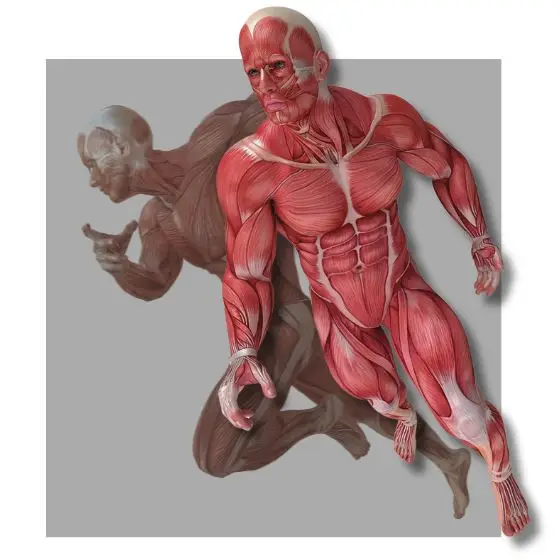
Most importantly, high ATP levels in the cell facilitate protein solubilisation and re-solubilisation which is important in the case of disease that sees the precipitation and the aggregation of proteins due to misfolding, such as in the case of concussion and a cause of Chronic Traumatic Encephalopathy (CTE).
Peak performance, maximum explosive force, increased stamina, improved recovery times, improved injury repair times, and prolonging career, are all part of an elite sports person’s life, and professional sporting institution’s training focusses. This elite and cutting-edge industry is focussed on the extra 1 or 2 percent of performance to take them to the top of the table, and it is here that we expect significant uptake, once the market is made aware of the these championship defining benefits. If on the front foot initially or not, it will still mean that every elite athlete and sporting code on the planet will ultimately need to embrace this technology, just to keep up.
Reference:
- Summermatter, S., Santos, G., Pérez-Schindler, J. & Handschin, C. Skeletal muscle PGC-1α controls whole-body lactate homeostasis through estrogen-related receptor α-dependent activation of LDH B and repression of LDH A. Proc National Acad Sci 110, 8738–8743 (2013).
- Niu, Y. et al. Hydrogen Attenuates Allergic Inflammation by Reversing Energy Metabolic Pathway Switch. Sci Rep-uk 10, 1962 (2020).
- Olesen, J., Kiilerich, K. & Pilegaard, H. PGC-1α-mediated adaptations in skeletal muscle. Pflügers Archiv – European J Physiology 460, 153–162 (2010).
- Kamimura, N., Ichimiya, H., Iuchi, K. & Ohta, S. Molecular hydrogen stimulates the gene expression of transcriptional coactivator PGC-1α to enhance fatty acid metabolism. Npj Aging Mech Dis 2, 16008 (2016).
- Ostojic, S. M., Vukomanovic, B., Calleja-Gonzalez, J. & Hoffman, J. R. Effectiveness of Oral and Topical Hydrogen for Sports-Related Soft Tissue Injuries. Postgrad Med 126, 188–196 (2015).
- Aoki, K., Nakao, A., Adachi, T., Matsui, Y. & Miyakawa, S. Pilot study: Effects of drinking hydrogen-rich water on muscle fatigue caused by acute exercise in elite athletes. Medical Gas Res 2, 12 (2012).
- Todorovic, N., Javorac, D., Stajer, V. & Ostojic, S. M. The Effects of Supersaturated Hydrogen-Rich Water Bathing on Biomarkers of Muscular Damage and Soreness Perception in Young Men Subjected to High-Intensity Eccentric Exercise. J Sports Medicine 2020, 1–5 (2020).
- Ishihara, G., Kawamoto, K., Komori, N. & Ishibashi, T. Molecular hydrogen suppresses superoxide generation in the mitochondrial complex I and reduced mitochondrial membrane potential. Biochem Biophys Res Commun 522, 965-970 (2020).
- Ohsawa, I. et al. Hydrogen acts as a therapeutic antioxidant by selectively reducing cytotoxic oxygen radicals. Nat Med13, 688–694 (2007).